
How to Create Spaces That Invite Curiosity and Wonder
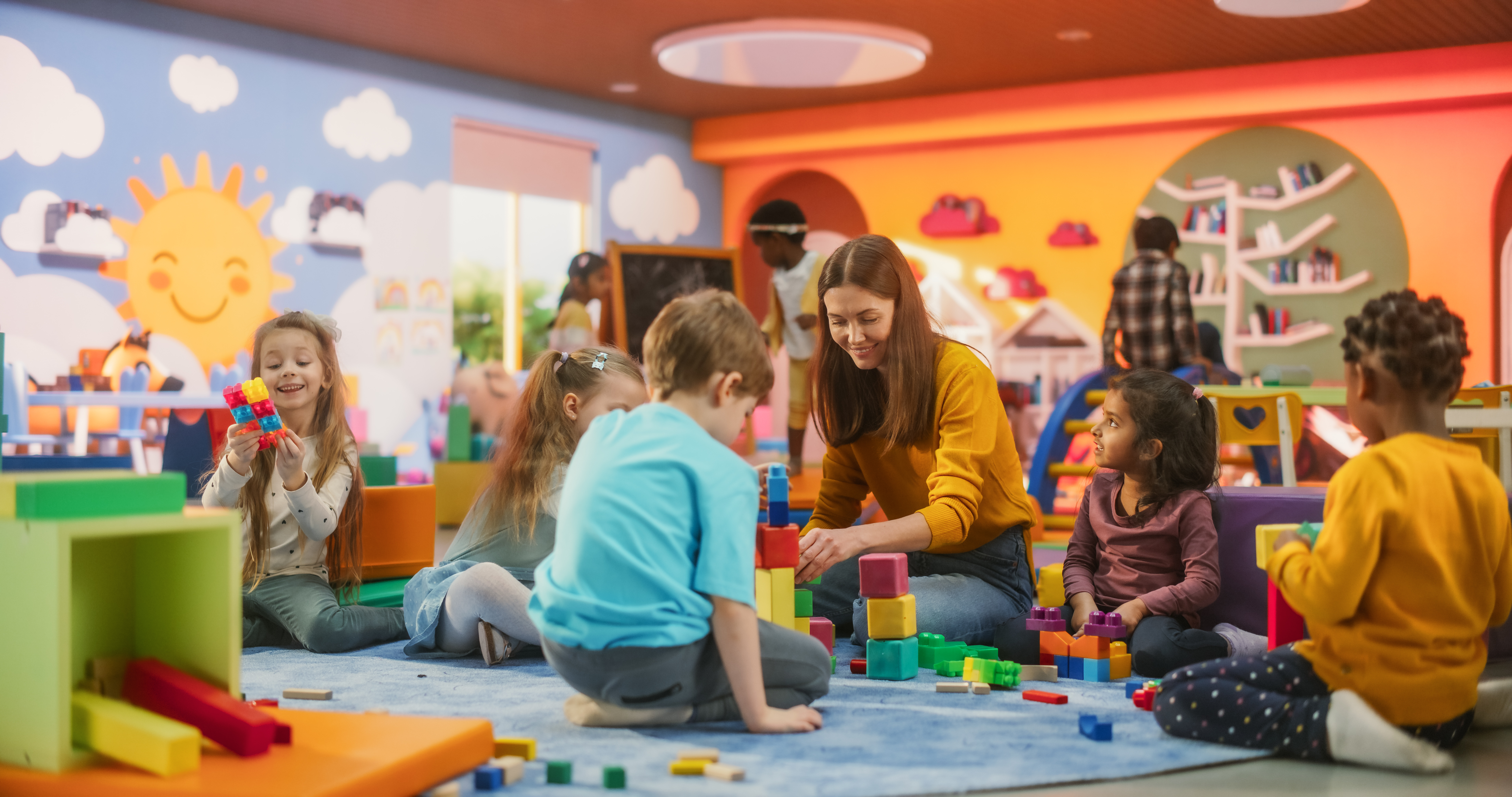
Children are naturally curious. Thoughtfully arranged classroom materials can encourage them to ask questions, investigate ideas, solve problems and engage deeply in play. When materials are accessible, open-ended and intentionally displayed, they communicate an important message to children: “You are capable. Your ideas matter here.”
Below are examples of ways educators can organize and present materials to spark exploration and discovery.
Offer Materials in Inviting, Accessible Ways
Try presenting toys and materials in smaller, intentional collections that encourage children to explore independently instead of in bins children are unable to see into clearly or from afar.
Example:
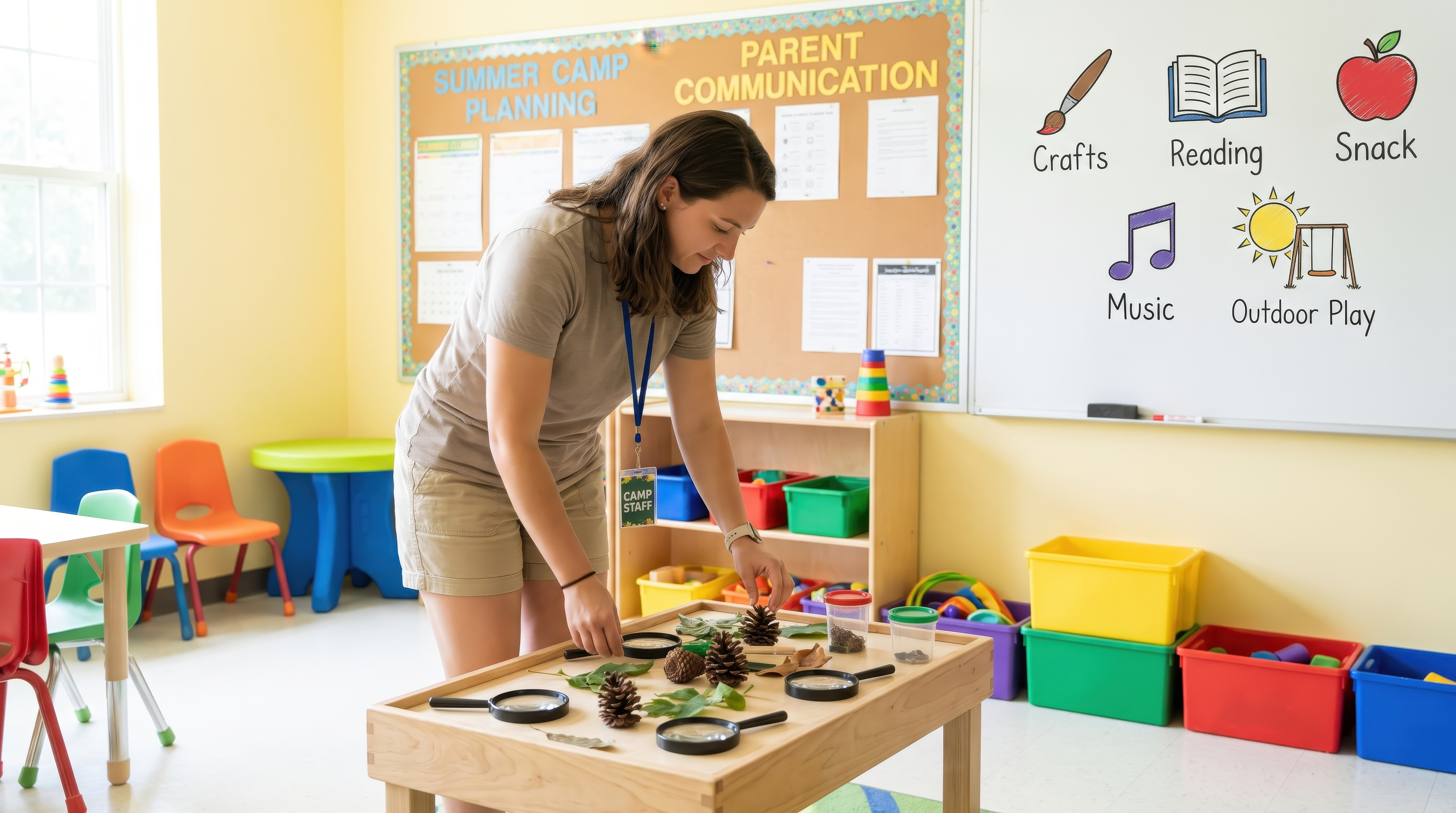
Place pinecones, magnifying glasses, leaves, and smooth stones on a tray near a window or table.
This setup may provoke children to:
- Compare textures and sizes
- Observe patterns in nature
- Create stories or imaginative play scenarios
Children are more likely to engage with materials when they can clearly see them and access them independently.
Use Open-Ended Materials
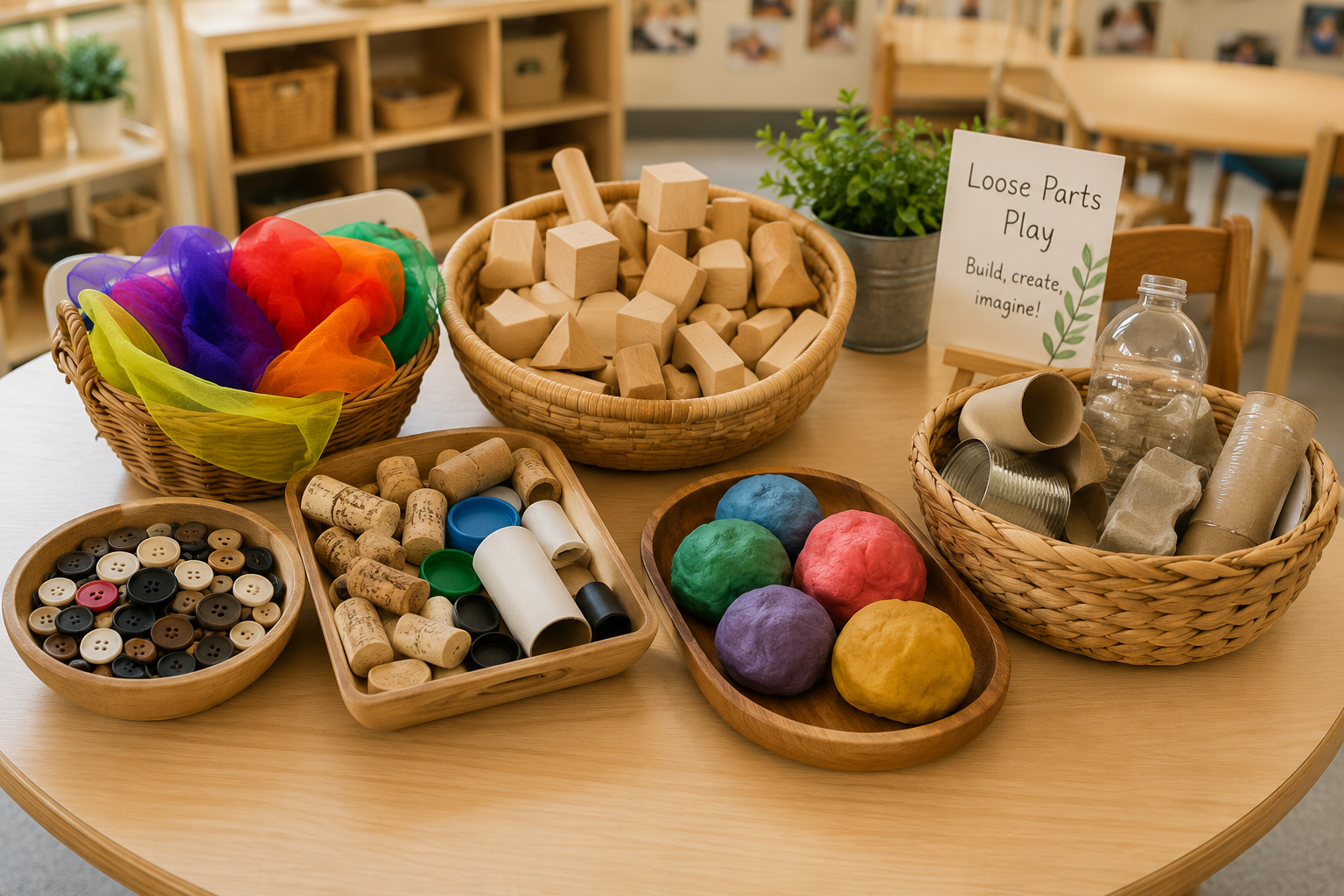
Open-ended materials can be used in many different ways and encourage creativity, problem-solving and flexible thinking.
Examples:
- Scarves and fabric pieces
- Loose parts (buttons, corks, lids, tubes)
- Blocks
- Clay or play dough
- Baskets of recycled materials
Example:
Rather than setting out a craft with predetermined steps, offer cardboard tubes, tape, markers, and loose parts and invite children to create “something that moves.”
Children may build:
- Vehicles
- Animals
- New inventions
- Musical instruments
There is no “right answer,” which encourages experimentation and imagination!
Rotate Materials to Renew Interest
Rotating materials can reignite curiosity and encourage fresh thinking.
Example:
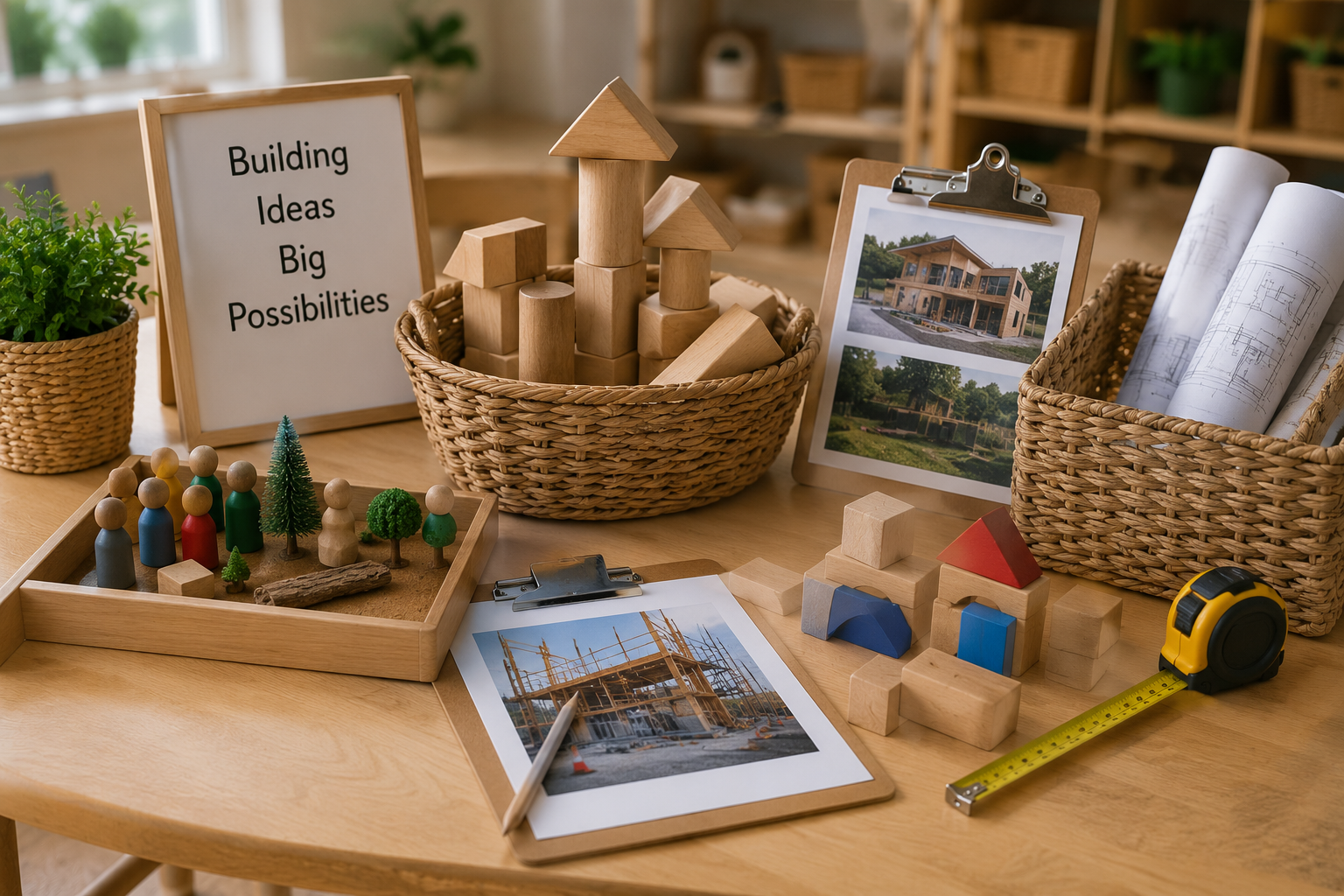
If children have recently shown interest in construction, add:
- Blueprints or building photos
- Measuring tapes
- Clipboards
- Small world people
- Different types of blocks
Small changes to the environment can inspire new ideas and extend children’s learning.
Make Learning Visible
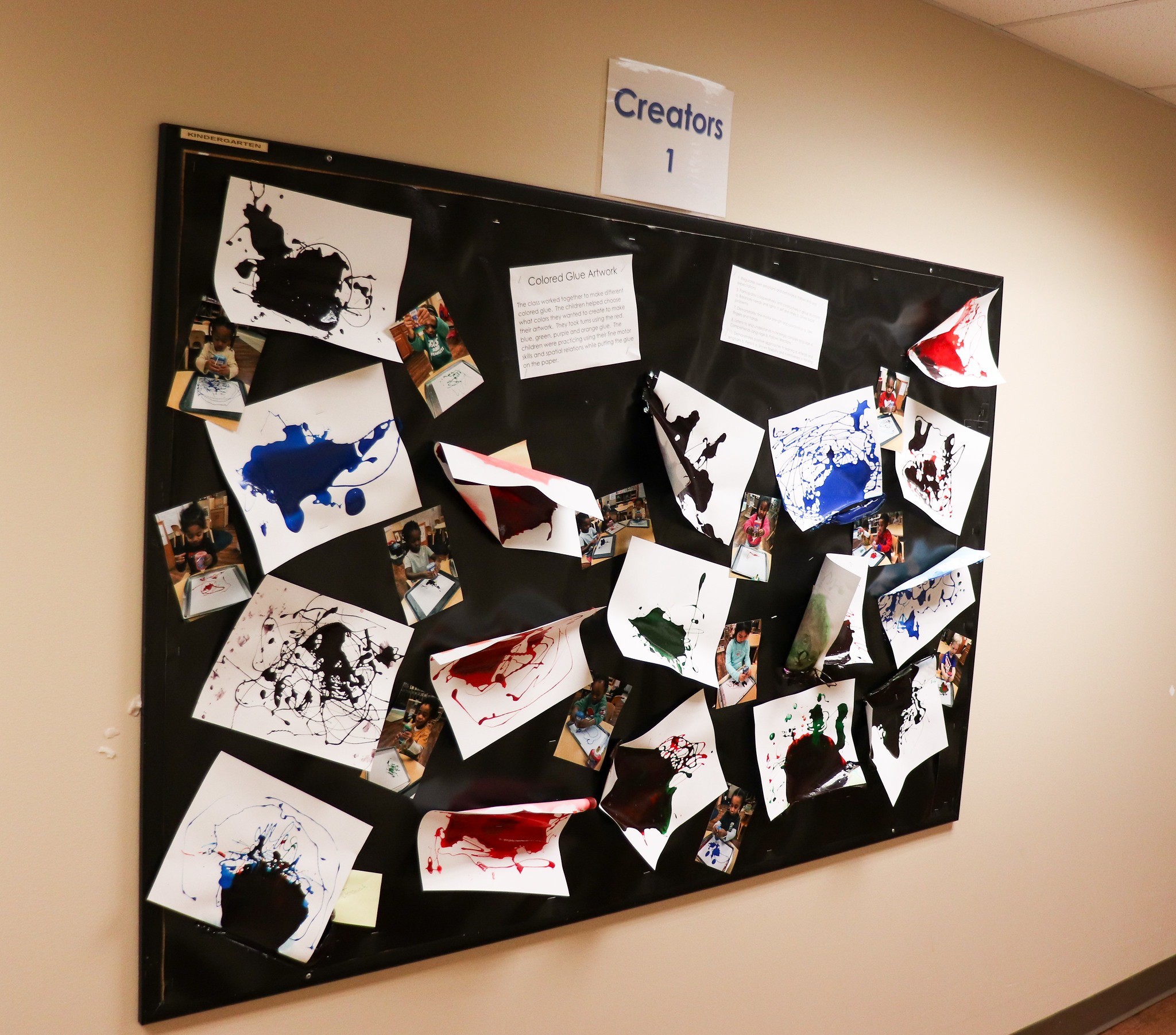
Displaying children’s work and thinking communicates that their ideas are valued.
Example:
- Photos of children building
- Dictated stories
- Explanations about their drawings
- Sketches and work-in-progress displays